
Tasks, Planner & Inbox Productivity is a set of 13 workflows built around Microsoft 365, Microsoft To Do, Outlook and related systems. It combines reusable task-building blocks with two AI-powered workflows for inbox prioritisation and chat-based task creation.
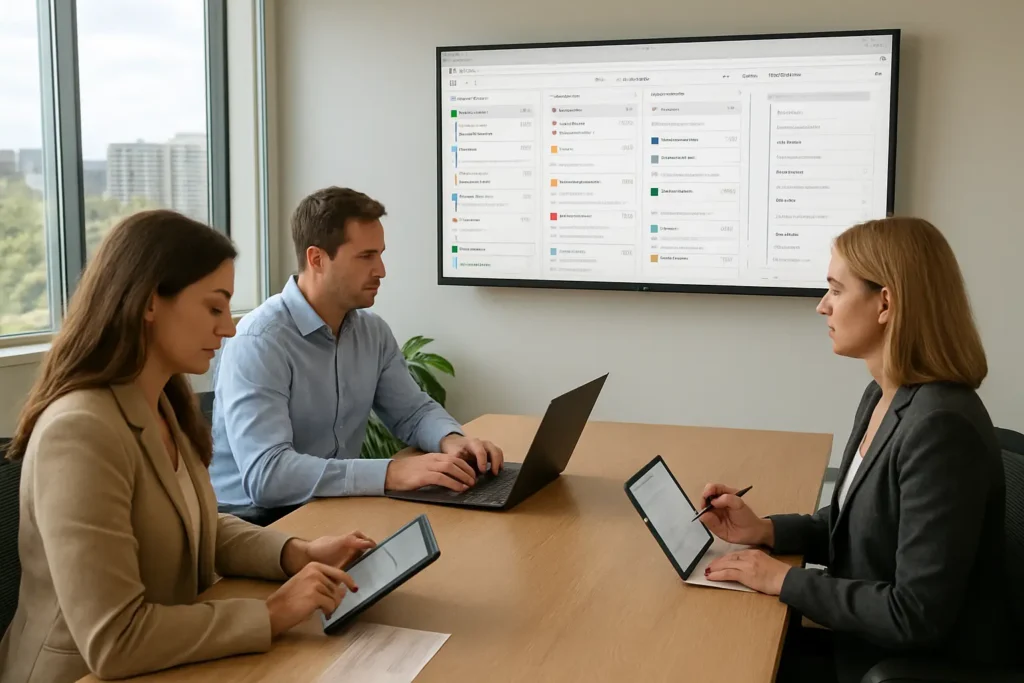
This workflow set is designed to reduce the manual work involved in creating, updating and tracking tasks across Microsoft Planner, Microsoft To Do and Microsoft Outlook. Most of the workflows act as reusable building blocks, which means other automations can call them instead of repeating the same steps again and again. That makes task creation, task updates, reminders and list lookups more consistent. The AI-powered inbox workflow adds a layer of triage for priority emails, invoice candidates and ticket reviews, while the chat-based task creator lets users start from a conversation and have the system work through the right task tools. For businesses already using Microsoft 365, it is a practical way to make follow-up more visible and less dependent on memory.

Task creation and updates are broken into reusable workflows, so the same steps do not need to be repeated in every automation. That reduces duplication and makes task handling easier to maintain.
The inbox digest sorts messages into practical groups such as priority items, ticket reviews and invoice candidates. That makes it easier to see what needs action first without scanning every email manually.
Scheduled reminders and task lookups help keep Planner work visible across the week. This is useful where follow-up is often delayed because it depends on someone remembering to check a list.
The enhanced Planner workflow can attach relevant credential notes and company context when available. That gives task owners more useful information without having to search across systems.
The set covers internal tasks, inbox work, reminders and invoice handling in one connected group. Businesses can use the parts they need without forcing every process into the same pattern.
Creates a Planner task through Microsoft 365 and includes retry and detail update steps for more reliable task creation.
Creates a Planner task and can add ConnectWise PSA notes and OneDrive credential documents when client context is available.
Creates a Microsoft To Do task as a simple reusable building block for other workflows.
Retrieves Planner plans and buckets so other workflows can choose the right place for tasks.
Looks up a Microsoft To Do task for use by other automations.
Fetches Planner tasks through Microsoft 365 for reporting or task-related workflows.
Retrieves Microsoft 365 team members so workflows can assign or reference people correctly.
Gets Microsoft To Do lists for use in task creation and lookup workflows.
Analyses Outlook mail, ranks priority items, identifies invoice candidates and can prepare Xero draft bills from confirmed invoices.
Creates or updates a reminder task using Microsoft 365 and Microsoft To Do.
Lets a user create or update tasks from chat by calling the right Planner and To Do tools.
Updates an existing Planner task and includes retry handling for more reliable changes.
Sends a weekly email reminder based on outstanding Planner tasks.
AI agentAI language modelConnectWise PSAMicrosoft 365Microsoft OneDriveMicrosoft OutlookMicrosoft To DoOpenRouter AI modelsXero
Tasks, Planner & Inbox Productivity is a practical workflow set rather than a flashy one. Its strength is in removing repeated admin across task creation, inbox review and reminders, while keeping the logic reusable for other automations. The AI features are targeted and useful, especially for inbox triage and chat-based task creation, but they still depend on clean data and sensible review steps. For Australian businesses already working in Microsoft 365, it is a credible way to make follow-up more consistent and reduce the chance of work being missed.
Want automations like these working in your business? We will look at where your team loses time today and map out practical, low-risk automation and AI opportunities. No obligation, and we are not looking to replace your current provider.
Book a Complimentary Discovery Session TodayTake the Business Systems Health Check
Task automation reduces the need to manually create, update and chase tasks in Planner and To Do. In this set, reusable workflows handle list lookups, task creation, task updates and reminders so the same steps do not need to be repeated across different processes.
Yes, but it works best as a structured assistant rather than a replacement for review. In this workflow set, AI ranks Outlook messages, separates ticket reviews and invoice candidates, and helps prepare the next action. A person still needs to check the output before anything important is finalised.
The core task and reminder workflows are built around Microsoft 365, Microsoft To Do and Outlook. The set also connects with ConnectWise PSA, OneDrive and Xero for specific steps, so it suits businesses already using those systems or planning to connect them.
No. The workflow can prepare a draft bill in Xero from confirmed invoice emails and attachments, but it is still designed around review. That is important because invoice extraction and matching can vary depending on the quality of the source email and PDF.